Pest Control: Practical Approaches to Guard Your House and Venture
Pest Control: Powerful Tactics to Defend Your House and Business
Foreword to Pest Control
Pest Control involves the handling or direction of species regarded as pests – creatures that negatively affect human actions or settings. In New Jersey, where different environments join metropolitan and city growth, effective Pest Control is not merely a convenience but a essential for preserving hygienic home and vocational atmospheres. From the sprawling localities of Monmouth County to the close communities of Matawan, pest incursions can disturb anyone, regardless of how pristine or adequately preserved their residence may be.
The relevance of employing useful Pest Control strategies cannot be understated. For residents, pests can destroy architectural durability, corrupt food resources, and establish important health perils. Enterprises experience these similar issues, with the further anxiety of name harm and prospective forfeit of consumers if problems are discovered. Standard pests in New Jersey include rodents like rats and mice, assorted insects such as ants, cockroaches, and bed bugs, and the particularly detrimental termites that can noiselessly damage a building's foundation.
The Rationale Pest Control Is Important
Health Threats of Pest Control Treatments
Multiple pests transport and transfer diseases that can harm persons and pets. Small mammals are acknowledged transporters of hantavirus, salmonella, and leptospirosis. Cockroaches can induce asthma occurrences and allergic responses, chiefly in children. Ticks, copious in New Jersey's forested locations, are famous for conveying Lyme disease, while mosquitoes can convey West Nile virus and Eastern Equine Encephalitis. Skilled Pest Control enables mitigate these health hazards by eliminating the source of these conceivable disease agents.
Building Harm in Pest Control
The foundational damage created by pests can be widespread and costly. Termites exclusively create over $5 billion in home impairment per year within the United States, with New Jersey homes being especially defenseless due to the state's climate. Rodents can nibble through power cords, generating fire risks, while their constant nibbling can ruin padding, pipes, and lumber framework sections. Even apparently innocuous ants can compromise wood structures if left untreated, chiefly carpenter ants which are common in Monmouth County.
Budgetary Results of Pest Control Services
Disregarding pest issues can cause major pecuniary results. What possibly initiate as a trivial invasion necessitating basic processing can quickly amplify into a considerable complication requiring comprehensive correction. For enterprises, particularly those in the food business or tourism sectors, pest issues can create unsuccessful health checks, momentary suspensions, and sustained injury to reputation and patron faith. Financing in normal Pest Control is not solely about prompt comfort—it's a prolonged pecuniary shield.
Pest Control: Common Household and Business Pests
Small Mammals (Rats and Mice)
When it regards identifying rodent infestations in your New Jersey home, carefulness is crucial. You perhaps observe pellets near food stocks, in storage units, or below sinks. Gnaw marks on food packaging, wood, and electronic cords are telltale signs of their existence. At nighttime, you may notice scraping sounds in dividers, roofs, or below floors as these evening critters become energetic. If you find nests constructed from torn documents, textile, or dehydrated plant stuff, that's a obvious symptom rodents have made themselves home. Slick rub marks beside baseboards and walls appear as rodents practice the same paths regularly, while your pets may present abnormal behavior such as barking or scratching at spots below instruments or fixtures where rodents hide.
Small mammals in New Jersey homes and companies present diverse menaces past simple nuisance. They can contaminate food and production areas with microbes contained in their urine and waste. Their unending urge to nibble can harm assets, especially cables, which causes fire hazards. In Matawan and neighboring locations, the Norway rat and house mouse are specifically problematic, growing well in both densely populated and suburban surroundings. Effective Pest Control steps are crucial to handle these ruinous encroachers.
Creepy Crawlies (Ants, Cockroaches, Bed Bugs)
Insect incursions exhibit themselves in diverse modes depending on the variety. Ant troubles develop into evident when you observe discernible ant tracks approaching food stocks, or when you spot little piles of dirt or wood pieces produced by carpenter ants. Cockroach outbreaks often disclose themselves through dark feces similar to coffee grounds or black pepper, a singular fusty smell that suffuses contaminated spots, and the presence of egg shells in covered corners. Bed bug issues show up as rust-colored stains on mattresses and furnishings, shed skins near reposing zones, minute blood spots on sheets, and uncomfortable red lumps on skin generally positioned in a sequence or cluster.
Invertebrates constitute the most diverse variety of pests in New Jersey. Cockroaches can initiate asthma and sensitivities while transmitting many bacteria. Bed bugs, while not disease transmitters, cause considerable soreness, sleep interruption, and emotional torment. Various ant species, like carpenter ants typical in Monmouth County's tree-covered locations, can inflict structural deterioration comparable to termites across time. Qualified Pest Control providers can spot specific insect types and enact aimed remedy methods that manage the particular behaviors and vulnerabilities of each pest.
Termites
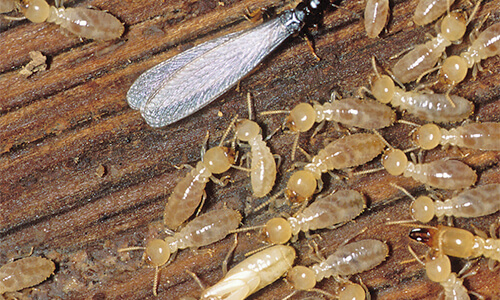
Detecting termite presence initially requires comprehending the nuanced indicators of their attendance. You possibly spot dropped wings near casements and portals after swarmers have spotted a mate and formed a new community. Mud tubes on exterior partitions, timber beams, or in crawl cavities function as shielded highways for these destructive bugs. Wood that rings vacant when struck demonstrates termites have been dining from internally. Doors and windows that quickly bond may suggest warping from termite injury, while fractured or inflating paint reminiscent of water destruction often hides termite operation underneath. Detecting frass—termite pellets resembling tiny wood-colored fragments—offers another confirmation of their unwelcome presence.
Termites pose perhaps the most major framework danger among all ordinary pests. In New Jersey, the Eastern subterranean termite is frequent and exceptionally damaging. These insects can stay undiscovered for years while creating substantial injury to wood architectural elements. Homes in Matawan and all over Monmouth County, notably older homes, are susceptible to termite problems. The average charge of term pest control.
Pest Control Protection Factors
Safe Use of Pesticides and Substances in Pest Control
When chemicals turn required in your pest control strategy, focusing on security demands consideration to several critical methods that safeguard individuals, pets, and the ecosystem. Consistently review and observe product guidelines precisely, as these binding instructions demonstrate thorough evaluation and governmental assessment intended to reduce risks. Employ the least effective volume of pesticide to accomplish management while limiting unnecessary substance incorporation into your residential environment. Employ chemicals only in zones designated on the label, avoiding off-label applications that may create unexpected dangers or lower performance. Don correct protective gear as indicated by chemical companies to eliminate personal exposure during application. Keep substances in their original containers with directions preserved to maintain entry to safety information and prevent mix-ups. Record thorough logs of all uses, recording chemicals employed, mixing ratios, places serviced, and times of treatment for subsequent reference. Allow adequate setting and airflow before reoccupying treated locations, particularly vital in New Jersey's weather where dampness can impact curing times. Evaluate less-toxic alternatives when successful, as progress in pest control have created many less-hazardous alternatives that maintain efficacy while reducing likely dangers.
Shielding Companions and Young ones While performing Pest Control Services
Particular steps grow crucial when performing pest control steps in residences with vulnerable family occupants. Remove animals during application and until surfaces are dry to stop close interaction with damp products or vapors that could cause adverse responses. Shield or take away pet nutrition, drinking dishes, and playthings before treatment to prevent exposure that could result in unintentional ingestion. Place children's toys away from application areas, especially objects that small children might put in their lips. Wash and sterilize meal making surfaces after treatment, even if they weren't immediately treated, to get rid of any residues that might have gathered during service. Ensure young ones distant from applied areas for the specified period, extending this period for mobile toddlers who have increased immediate interaction with ground and low spaces. Think about pet-safe and child-safe substance alternatives when obtainable, as many recent chemicals focus on certain pest biology while limiting animal toxicity. Most significantly, tell qualified technicians about the occurrence of companions, children, or expecting home members before they create treatment approaches, allowing them to adjust methods and product options accordingly.
Governmental Guidelines and Conformity with Pest Control
Pest control in New Jersey works within a official framework intended to defend general health and the ecosystem while providing efficient pest control. The New Jersey Department of Environmental Protection supervises pest elimination activities, necessitating expert pest management businesses to satisfy specific specifications. Organizations must use authorized specialists who have succeeded in government assessments displaying skill in pest science, service methods, and safety procedures. These businesses must maintain appropriate insurance protection safeguarding both their technicians and their clients from likely damages or damage related to pest elimination operations. Stringent rules control pesticide warehousing, transportation, and discarding to stop ecological exposure and improper entry. Specialists must provide Safety Data Sheets upon request, detailing the properties and dangers of substances utilized in services. Notification rules pertain for particular applications, particularly in multi-unit buildings or business spaces with multiple inhabitants. Thorough service logs must be maintained, establishing an review path of pest elimination operations. Moreover, only chemicals authorized for application in New Jersey may be legally employed, ensuring that area environmental conditions and habitats have been considered in the permission system. For commercial facilities in Matawan and throughout Monmouth County, further requirements may relate depending on the industry, specifically for restaurant business, medical, and child care facilities where pest elimination intersects with other general health considerations.
Green Pest Control Choices
Integrated Pest Management (IPM) Method
Unified Pest Control embodies the top measure in current pest control, concentrating on long-term protection through a combination of techniques that limit ecological influence while increasing effectiveness. The IPM method starts with complete assessment and monitoring to identify pest pressure exactly, setting up baseline information about kinds occurring and number levels. This produces accurate identification of pest species, ensuring control efforts target particular habits and weaknesses rather than implementing broad applications. Practitioners establish limit amounts that require intervention, recognizing that the simple occurrence of a limited pests doesn't inevitably need treatment if populations stay beneath destructive amounts. When action turns essential, IPM uses several control techniques in cooperation, usually beginning with safest techniques and advancing only when required. During the method, practitioners examine success and change methods as needed, establishing a adaptable method adaptive to shifting situations. Most vitally, IPM stresses prevention over intervention, addressing structural and ambient elements that support pest numbers rather than only eliminating current creatures. Many pest control businesses in New Jersey deliver IPM-based services that correspond with the state's initiative toward reduced-risk pest treatment procedures, particularly in vulnerable settings like educational facilities, medical establishments, and food preparation facilities.
Natural Treatment Techniques
Efficient pest control often integrates non-chemical strategies that can address or decrease pest troubles without introducing pesticides into the surroundings. Tangible shields such as screens, entrance strips, and filling eliminate pest access totally, dealing with the concern at its beginning. Physical methods like traps and exclusion tools take away existing insects while preventing additional entries. Living methods containing useful organisms and microorganisms insert biological enemies that focus on certain insects while maintaining helpful organisms unharmed. Environmental practices change the conditions to deter organisms, such as altering moisture timing to minimize moisture that attracts certain creatures. Environment change decreases refuge and nutrition options, making locations less attractive to undesired occupants. For specific pests like bed bugs, heat applications offer exceptionally productive control without harmful remains by elevating thermal levels past the temperature killing limit for all developmental phases of the specific pest. In the same way, cooling techniques for kept product creatures like grain insects or pantry insects can eradicate problems in nutritional products without harmful exposure. These methods demonstrate especially valuable in New Jersey's mixed environments, where distance to water systems, protected ecological areas, and concentrated residential zones generates many circumstances where chemical limitation grows desirable or necessary.
Environmentally-Friendly Pest Control Control Solutions
The pest control sector persists to evolve toward greater green procedures that preserve effectiveness while reducing natural influence. Natural pesticides derived from plant compounds like chrysanthemum extract, neem oil, and aromatic compounds deliver precise treatment with limited lasting power in the nature. Living products containing microorganisms, spores, or pathogens that focus on particular pest insects deliver accuracy that typical general substances cannot compare to. Maturation controllers that prevent pest reproduction by blocking with developmental stages supply extended population suppression without instant poisonous consequences on fully-grown insects. Attractant systems that monitor or disturb pest breeding help identify when action turns required and can avoid reproduction in specific varieties. The industry more and more adopts reduced-risk substances with reduced surrounding impact, shifting apart from conventional compounds with greater effects on secondary organisms. Precision delivery equipment that minimize total pesticide use apply applications precisely where necessary rather than scattering substances around extensive areas. Environmental accreditation programs for pest control organizations determine guidelines for ecologically favorable treatment and offer consumers with obvious labeling of providers pledged to green methods. In naturally sensitive zones of New Jersey, including areas of Monmouth County with distance to liquid areas, these green approaches are specifically useful for preserving both individual health and wild environments while yet delivering productive pest treatment.
Finding a Local Pest Control Service Provider in New Jersey
Capitol Exterminating System
272 NJ-34
Matawan, NJ 07747
(732) 441-1900
Often Posed Questions (FAQs) about Pest Control
How frequently should pest control be carried out?
For the majority of New Jersey homes, four times yearly pest control delivers appropriate safeguarding against recurring pest pressures. This routine matches with the local different times, each bringing distinct pest issues that need precautionary attention. Springtime treatments typically handle emerging ant populations and dormant creatures turning active. Warm season services center on mosquitoes, parasites, and numerous flying bugs that flourish in heated climate. Autumn treatments set up properties for rodents and surviving insects looking for harborage as temperatures fall. Cold season services maintain defense against interior creatures while tackling mouse and rat activity at its peak. Though, this timing may expand for structures with specific risk elements or active concerns that call for increased thorough treatment. Houses close to tree-covered locations in Monmouth County may advantage from further tick and flying insect services within top seasons. Homes with past of individual pest issues frequently call for focused secondary treatments over the regular four times yearly routine. Industrial facilities, specifically dining preparation businesses in zones like Matawan, frequently require every month service to preserve conformity with wellness regulations and prevent issues that could hurt reputation and commercial functions.
Is expert pest control protected for companions?
When performed correctly, specialist pest control can be protected for animals through careful product selection and usage methods that limit exposure. Current targeted usage approaches and lower-risk products have substantially improved protection features versus conventional pest treatment approaches. Modern services commonly use compounds specifically created to have minimal poison to creatures while continuing efficient against intended insects with distinct biologies. Professional applicators get instruction in treatment approaches that place products in areas companions can't reach, such as wall voids, openings and spaces, or underneath devices. Nevertheless, animals should be taken away during application and until all procedures have dried completely, observing certain pause durations advised by the substance manufacturer and technician. Fish aquariums should be shielded and air systems shut down during treatment to eliminate contamination from airborne matter. Pet possessions such as sleeping areas, items, and eating equipment should be taken away or shielded throughout procedure. Talk about any questions with your pest control provider, who can suggest proper pause times depending on the particular applications used and modify strategies for residences with especially susceptible animals like avians or cold-blooded animals that may have distinct physiological sensitivities than cats and dogs.
What are the indicators of a severe pest invasion?
Apart from visible pests directly, multiple caution signs show possibly major infestations demanding urgent pest control response. Strange smells often appear with big infestations – musty, fatty aromas may show small mammals, while sugary, almond-like smells periodically come with German insect populations. Puzzling construction damage like sagging surfaces, peeling finish, or deteriorating lumber may expose termite infestation or wood-boring ant problems destroying support parts. Strange activity within structures or attics, specifically at nighttime, often indicate mouse and rat movement as these nocturnal creatures become energetic in concealed locations. Abundant particles looking like tiny shavings near wooden components may really be droppings or waste from lumber-eating insects. Some homes encounter unknown medical issues like airway problems or discomfort that resolve when distant from residence, possibly showing pest problems impacting internal atmosphere condition. In New Jersey homes, special focus should be directed to cellar and lower zones where dampness issues can sustain pest populations, specifically in aged properties throughout Monmouth County where structural cracks and crumbling mortar supply many access locations. Locating multiple deceased creatures of the similar variety shows a larger community nearby, while grease traces along floor edges show developed mouse and rat routes with ongoing activity.
Can I eliminate pests without pest control pesticides?
Yes, multiple pests can be stopped through correct hygiene, barrier methods, and living space adjustment without using pesticide applications. The basis of non-toxic pest control initiates with complete prevention activities – blocking openings, openings, and holes that enable pests to enter structures in the starting location. Placing door barriers, mending broken barriers, and filling utility access points eliminates typical entry locations. Taking away sustenance options through proper edible keeping in secure packages, quick elimination of spills and pieces, and consistent waste disposal considerably reduces magnets that bring creatures into homes. Minimizing dampness by fixing dripping plumbing, upgrading air movement in humid zones, and addressing water flow problems gets rid of the moisture supplies numerous organisms call Capitol Exterminating System for. Keeping a space area around properties by reducing foliage, clearing plant litter, and maintaining timber lifted and separate from structures minimizes shelter areas and penetration places. Utilizing physical shields like metal wire or iron fiber to seal bigger gaps supplies permanent prevention for rodents and rats. Frequent cleaning that contains vacuuming gaps and openings removes creature larvae and nutrition particles that sustain pest breeding. For current infestations, however, some type of treatment material may be needed to fix confirmed troubles, though many reduced-danger options are offered such as diatomaceous powder, boron powder, and pest-killing cleaners that offer minimized hazard compared to conventional pesticides.
What should I expect while having professional pest control service?
A qualified pest control service usually starts with a detailed assessment to determine pest kinds, access places, and supporting circumstances leading to the problem. The technician should use effort reviewing both interior and external zones, directing specific care to food preparation areas, restrooms, lower levels, and perimeter foundations where pest movement often accumulates. Upon completing this evaluation, the specialist should clarify their observations in depth and propose a treatment strategy designed to your particular case, talking about both the designated pests and the procedures proposed for handling them. You may get arrangement steps before application, probably involving repositioning items, clearing individual spaces, or securing companions. During the service, the technician will administer suitable substances to focused zones considering the pest species found, centering on openings, spaces, and pest shelter zones rather than spreading treatments throughout entire spaces. They may place observation equipment like bug catches or food stations that aid monitor development and offer sustained safeguarding. After concluding applications, a expert should describe any post-treatment safety measures such as ventilation standards, return intervals, or areas to wipe. Before exiting, they should arrange additional treatments if necessary for specifically challenging creatures like sleeping pests or German cockroaches that usually call for multiple applications for complete removal. During this procedure, technicians should welcome concerns and give plain details about the materials and methods employed, demonstrating their education and devotion to both success and wellness.
Successful pest control is an important element of sustaining healthy, secure residential and business spaces in New Jersey. From the moist hot months that generate flying insects and ticks to the colder times when mice and rats look for refuge indoors, pest challenges remain a annual problem for homeowners and businesses in Monmouth County and Matawan. By comprehending common insects, applying precautionary measures, and realizing when to pursue expert assistance, building owners can protect their properties and the health of occupants.
Taking a proactive system to pest control is invariably additional effective and economical than handling to active problems. Routine examinations, appropriate preservation, and dealing with tiny troubles before they grow can avoid the major expenses and interruptions associated with serious pest issues. When specialist help grows required, selecting a reputable, qualified pest control specialist who applies combined pest management strategies provides efficient outcomes with minimal environmental influence.